7 Simple Techniques For Bagley Risk Management
Table of ContentsBagley Risk Management - QuestionsGetting The Bagley Risk Management To WorkIndicators on Bagley Risk Management You Should Know10 Simple Techniques For Bagley Risk ManagementSome Known Incorrect Statements About Bagley Risk Management Examine This Report about Bagley Risk Management
When your agreement reaches its end date, the last rate is calculated utilizing the CME Feeder Cattle Index. If the index drops below your contract's coverage cost, you may be paid the distinction.Livestock Risk Protection (LRP) is a USDA subsidized insurance program that assists secure producers from the dangers that come from market volatility. With LRP, manufacturers are able to guarantee a flooring cost for their cattle and are paid an indemnity if the marketplace worth is reduced than the insured rate.
This item is planned for. National livestock insurance.
Our Bagley Risk Management Ideas
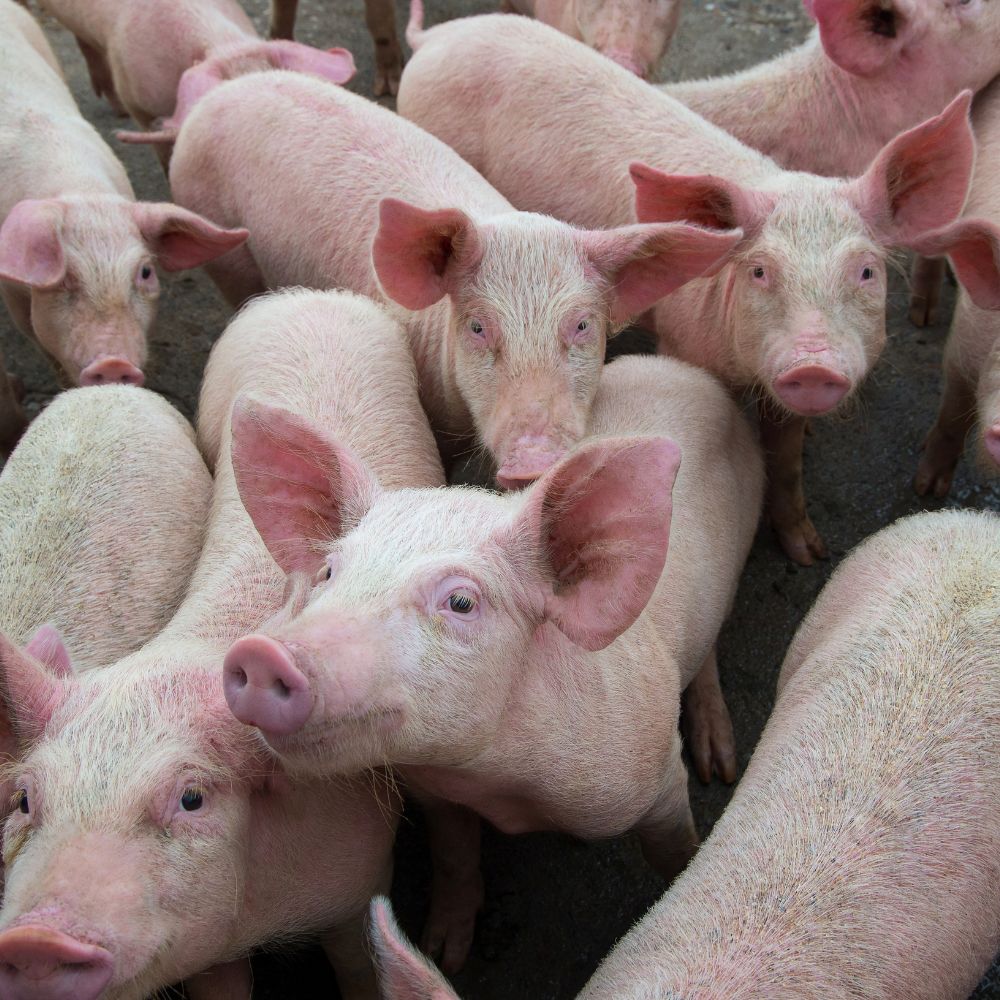
In the last number of months, numerous of us at FVC and PCM have obtained questions from manufacturers on which threat monitoring tool, LRP vs. Futures, is better for a pork producer? Like most devices, the response depends upon your operation's objectives and circumstance. For this edition of the Dr.'s Edge, we will take a look at the circumstances that tend to favor the LRP tool.
In Mike's analysis, he compared the LRP computation versus the future's market close for each day of the past two decades! The percent shared for every month of the offered year in the initial area of the table is the percent of days in that month in which the LRP computation is less than the futures close or simply put, the LRP would potentially indemnify greater than the futures market - https://bagleyriskmng.square.site/. (Rma LRP)
As an example, in January 2021, all the days of that month had LRP potentially paying even more than the futures market. On the other hand, in September 2021, all the days of that month had the futures market potentially paying greater than LRP (no days had LRP reduced than futures close). The tendency that dawns from Mike's analysis is that a SCE of a LRP has a greater likelihood of paying much more versus futures in the months of December to Might while the futures market has a greater chance of paying much more in the months of June to November.
How Bagley Risk Management can Save You Time, Stress, and Money.

As an instance, in 2019, LRP was better or within find out here now a $1. Table 2 portrays the ordinary basis of the SCE LRP computations versus the future's close for the provided time frames per year.
Once more, this information supports more likelihood of an SCE of a LRP being far better than futures in December via May for the majority of years. As a common care with all evaluation, past efficiency is NO guarantee of future performance! It is essential that manufacturers have accounting procedures in location so they recognize their cost of manufacturing and can much better identify when to use risk management tools.
Unknown Facts About Bagley Risk Management
Some on-farm feeders may be considering the need for cost protection at this time of year on calves maintained with the intent to feed them to a finish weight at some point in 2022, using readily available feed sources. In spite of solid fed livestock rates in the present local market, feed prices and present feeder calf values still produce limited feeding margins progressing.
The current average auction price for 500-600 pound steers in Nebraska is $176 per cwt. This recommends a break-even rate of $127. The June and August live livestock contracts on the CME are currently trading for $135.
Cattle-feeding enterprises often tend to have limited margins, like lots of farming enterprises, due to the competitive nature of the organization. Cattle feeders can bid more for inputs when fed cattle prices increase. https://issuu.com/bagleyriskmng. This raises the cost for feeder livestock, specifically, and rather enhances the prices for feed and other inputs
The Ultimate Guide To Bagley Risk Management
Nebraska cattle are close to major processing facilities. As a result, basis is positive or zero on fed cattle across much of the state.
Only in 2020 did the LRP coverage price exceed the ending value by adequate to cover the costs expense. Nonetheless, the web impact of having this LRP insurance coverage in 2019-20 was significant, including $17. 88 per cwt. down line. The result is a positive ordinary internet outcome over all 5 years of $0.
37 The manufacturer costs declines at reduced insurance coverage levels but so does the insurance coverage rate. Because manufacturer costs are so reduced at lower protection levels, the producer loss ratios (indemnity/premium) boost as the protection degree declines.
The Best Strategy To Use For Bagley Risk Management
Generally, a manufacturer needs to consider LRP insurance coverage as a system to secure output cost and subsequent revenue margins from a risk management perspective. Some producers make a situation for guaranteeing at the lower degrees of insurance coverage by focusing on the decision as a financial investment in danger management protection.